



Description
How to Plant Your Deer Orchard
Included in this starter package:
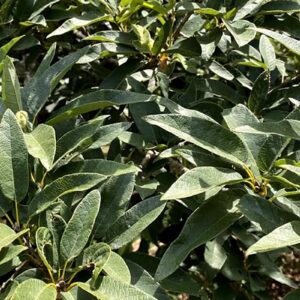
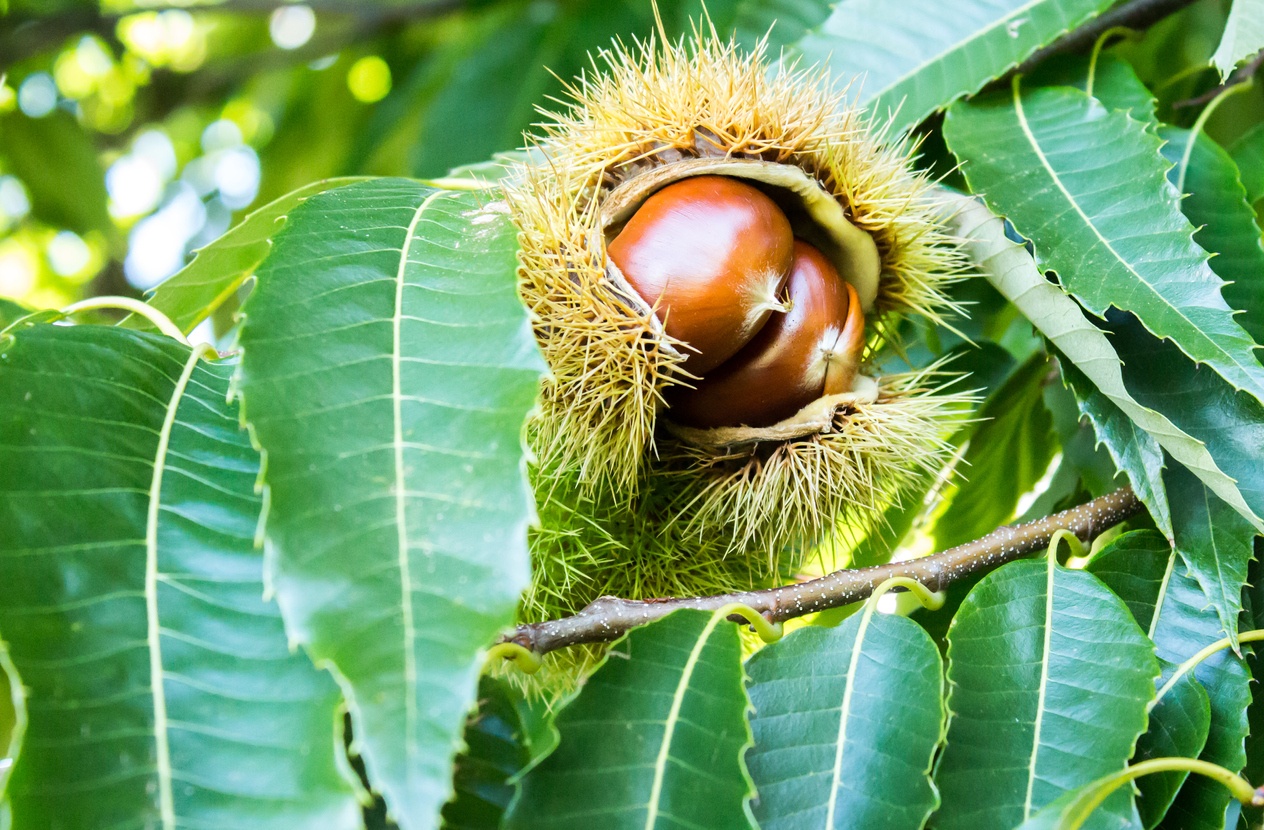
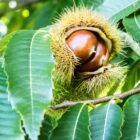
Not only do deer love Chinese chestnuts, but you will find them tasty as well. They can be eaten roasted, boiled, or sautéed. A prickly 2–3½” seed husk encloses 1-4 nuts and will yield a ripened nut crop from mid to late September all the way through October.
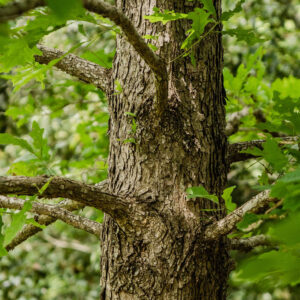
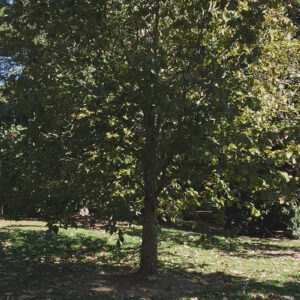
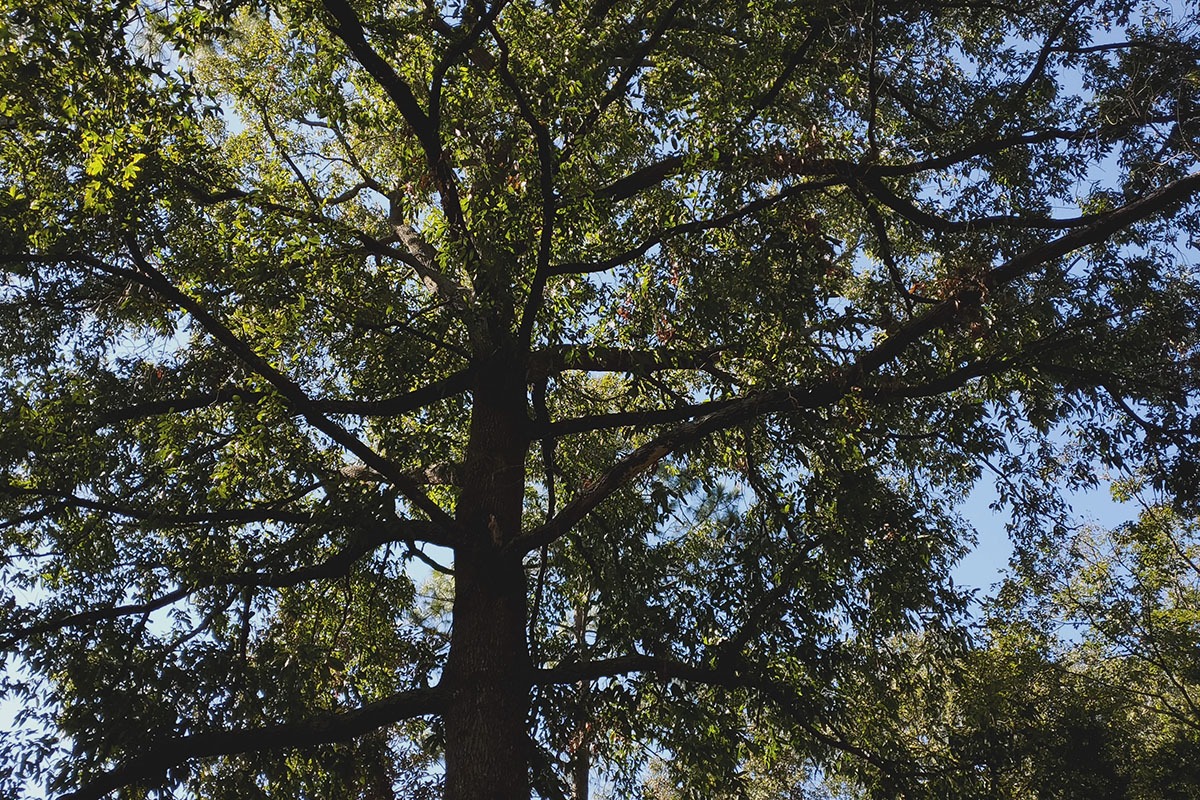
This stately deciduous Asian oak with long, jagged-edged glossy leaves produces substantial crops of acorns at an earlier age which drop earlier in the fall as well. These traits make it a must-have throughout its range for wildlife managers. Acorn production becomes heavier and more reliable with age. This prolific producer requires well-drained growing conditions that tend to be acidic to neutral, and not recommended for alkaline soil or poorly-drained sites.
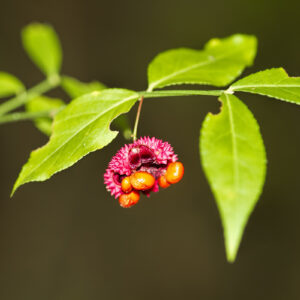
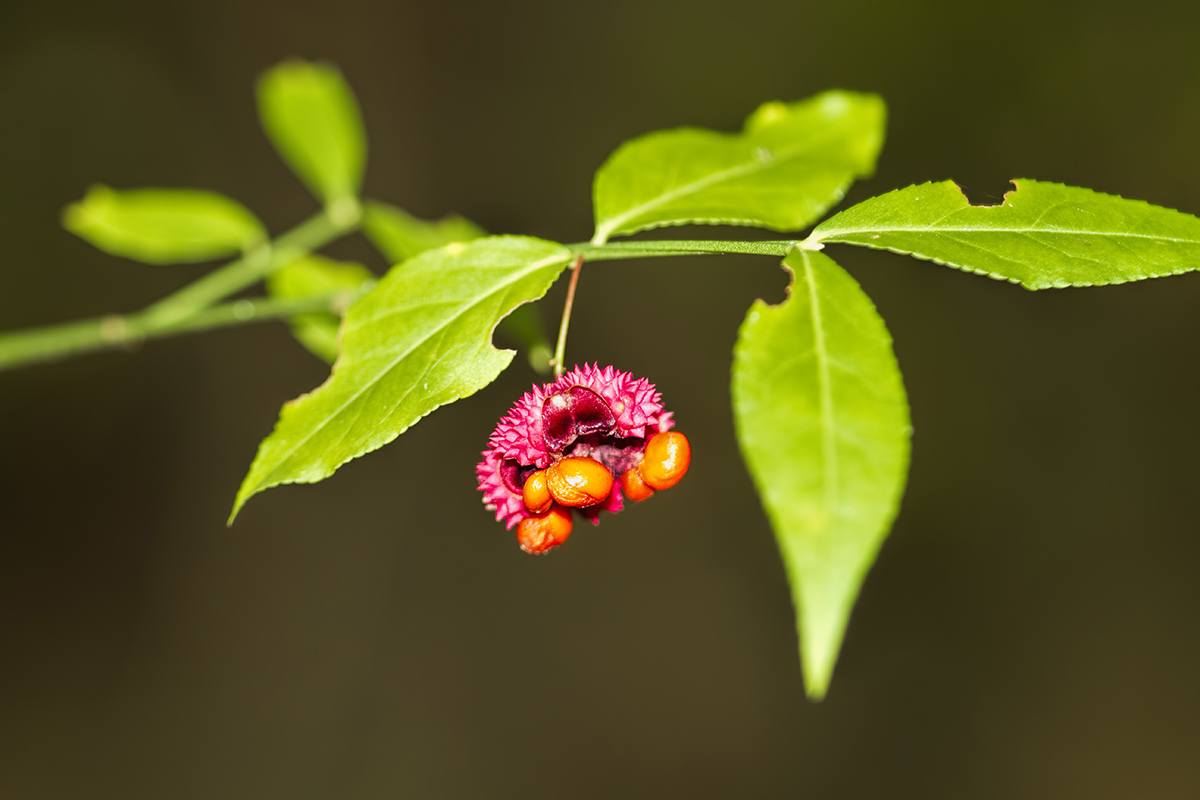
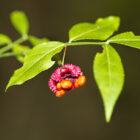
Strawberry bushes are very huge draws for deer. Planting strawberries on your property for deer is a great strategy. Get the best at Wildtree.
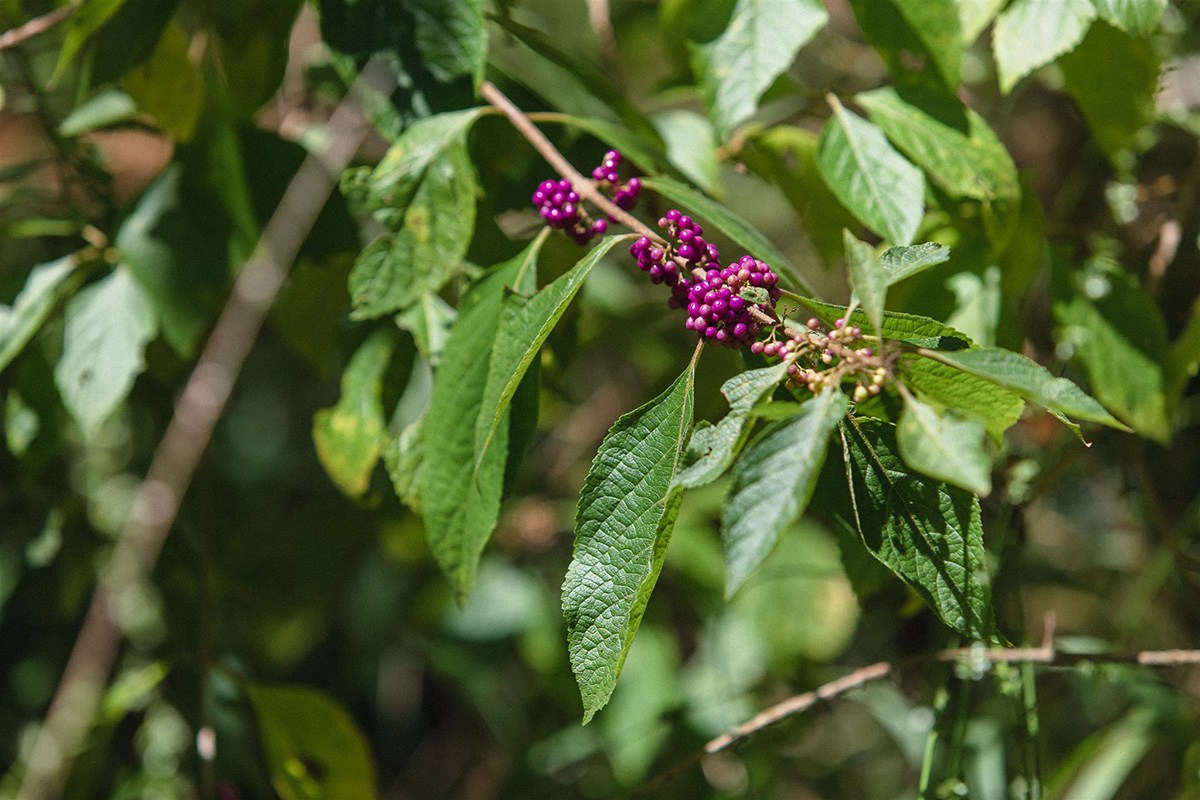
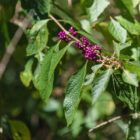
This attractive, highly adaptable deciduous shrub provides foliage deer will browse during the summer along with masses of purple berries along the stems which begin ripening in August and are retained on the plant, providing a late-season food source for both deer and turkey. It’s quite drought tolerant once established and is perfectly happy in any soil type from alkaline to acidic as long as the site is reasonably well-drained.