
Description
Save $85 when you order this Deer Orchard Starter Pack, perfect for attracting deer to your land in Zone 6.
How to Plant Your Deer Orchard
Included in this starter package:
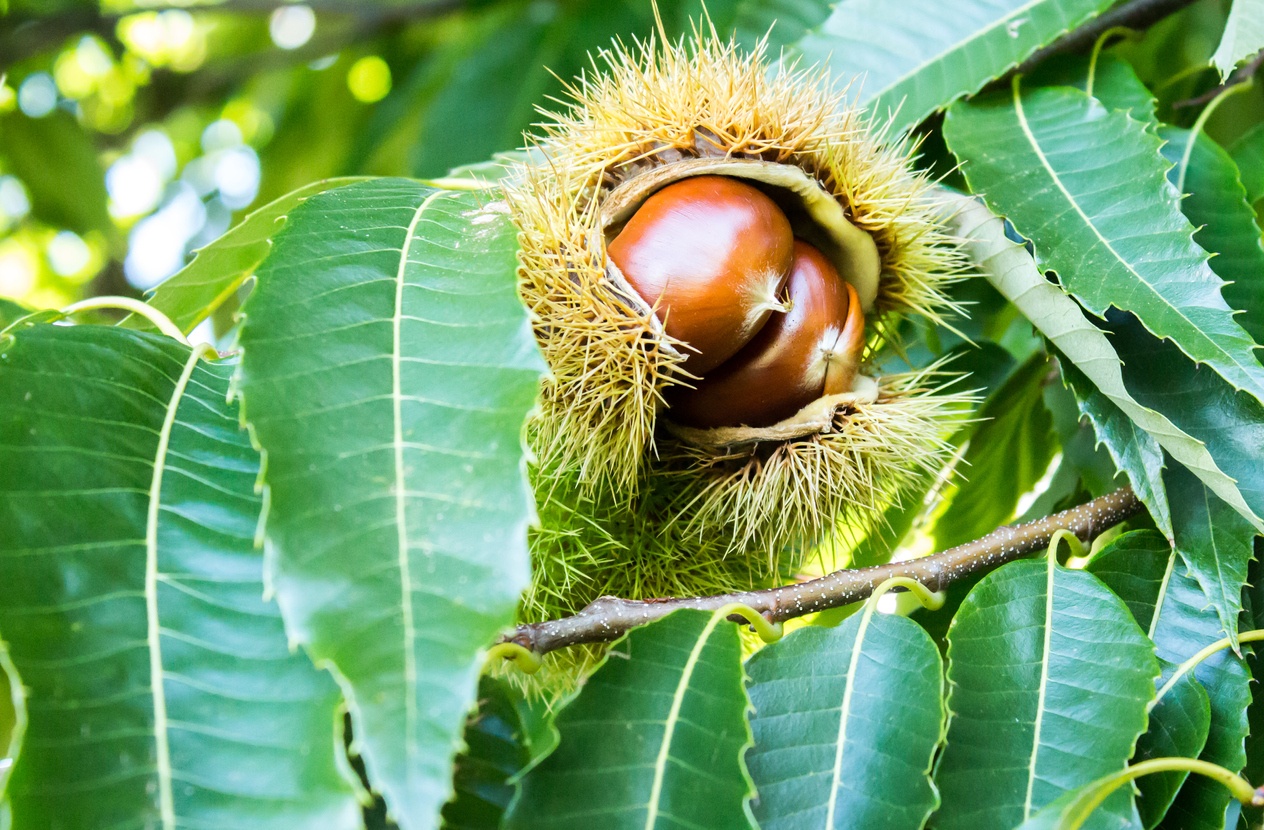
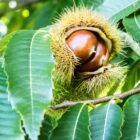
Not only do deer love Chinese chestnuts, but you will find them tasty as well. They can be eaten roasted, boiled, or sautéed. A prickly 2–3½” seed husk encloses 1-4 nuts and will yield a ripened nut crop from mid to late September all the way through October.
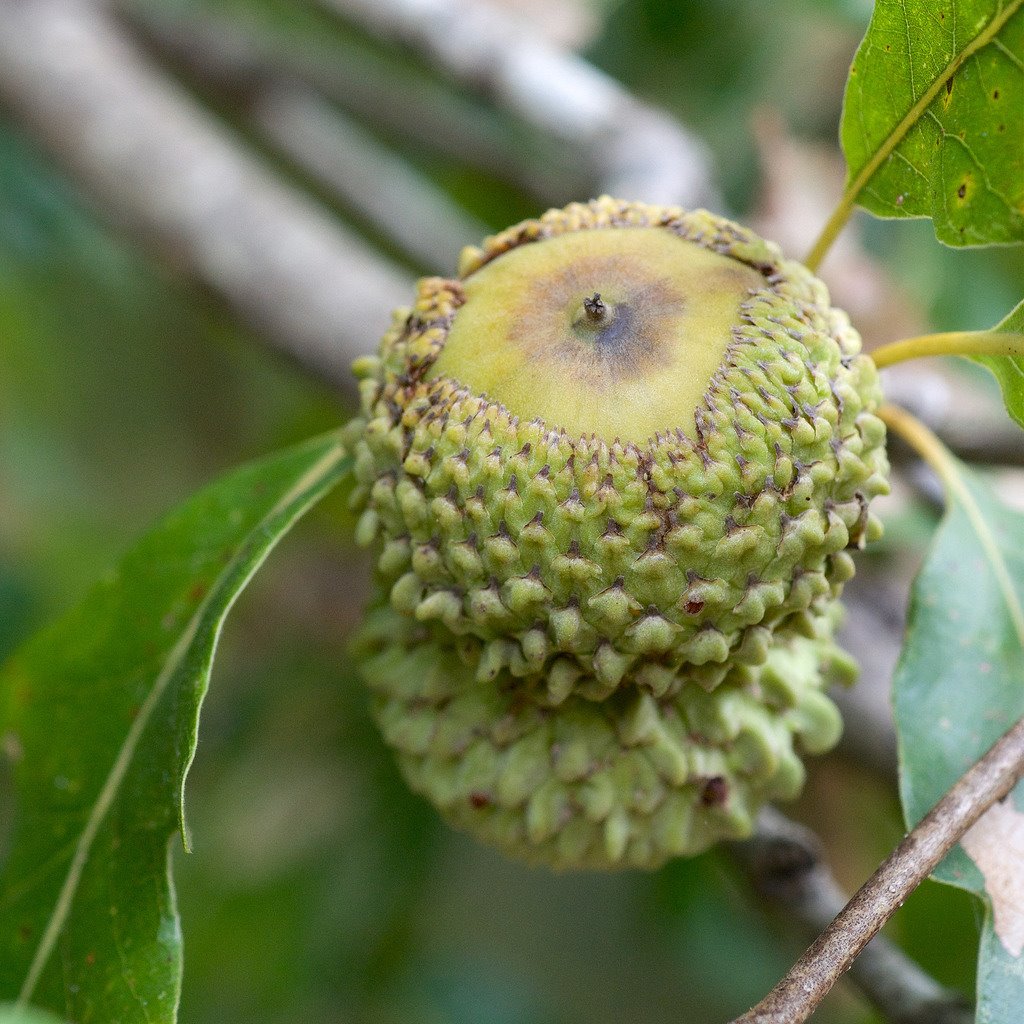
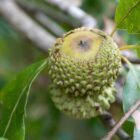
The overcup is a favorite of the Wildtree team. It is a medium sized deciduous member of the white oak family. Its name is derived from its unique cork-like cap that covers the majority of the acorn. This cap plays a big role in the survival of the tree and also contributes to its wildlife value. The tree has adapted to survive in bottomlands that experience flooding regularly. The acorn cap serves as a flotation device, which allows the seeds to disperse to other areas and higher ground. This provides a food source in flood affected areas that might have little other food as a result of the high water. It has high mast value for deer, squirrels, rabbits and ducks. As a bonus, It is also a highly desirable landscape tree thanks to its straight trunk, symmetrical, upright growth habit and its unique bark.
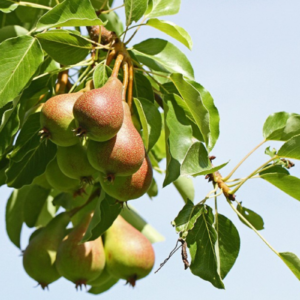
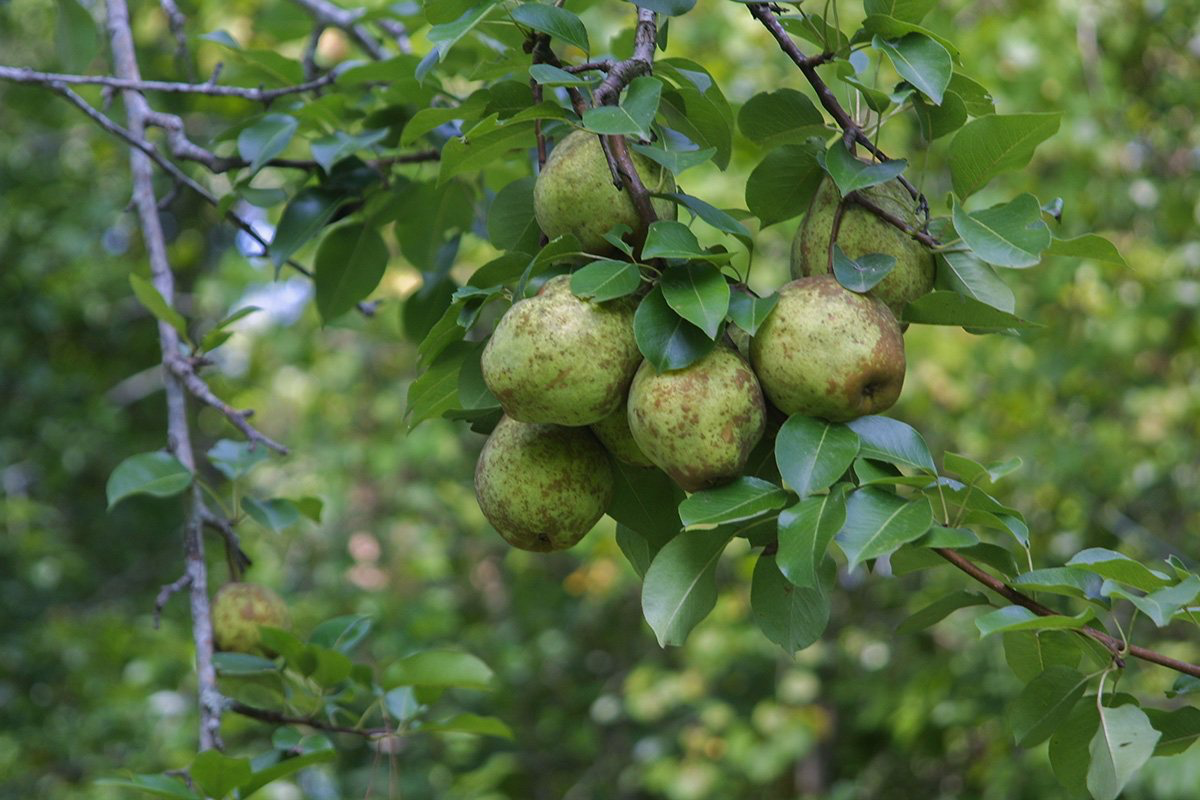
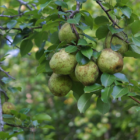
Of hybrid origin, Kieffer Pear has harder fruits than Bartlett but the deer happily consume them with no problem. This selection is more resistant to fire blight and therefore a better choice over the earlier-fruiting Bartlett Pear in areas that experience warm, wet spring weather, especially in humid areas along the gulf coast where the disease can be an issue. Self-fertile but enjoy an even more reliable pollination/fruit set by planting another pear selection nearby, such as the later-fruiting Dr. Deer Pear that we offer for an extended season of sweet deer treats.
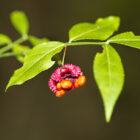
Strawberry bushes are very huge draws for deer. Planting strawberries on your property for deer is a great strategy. Get the best at Wildtree.
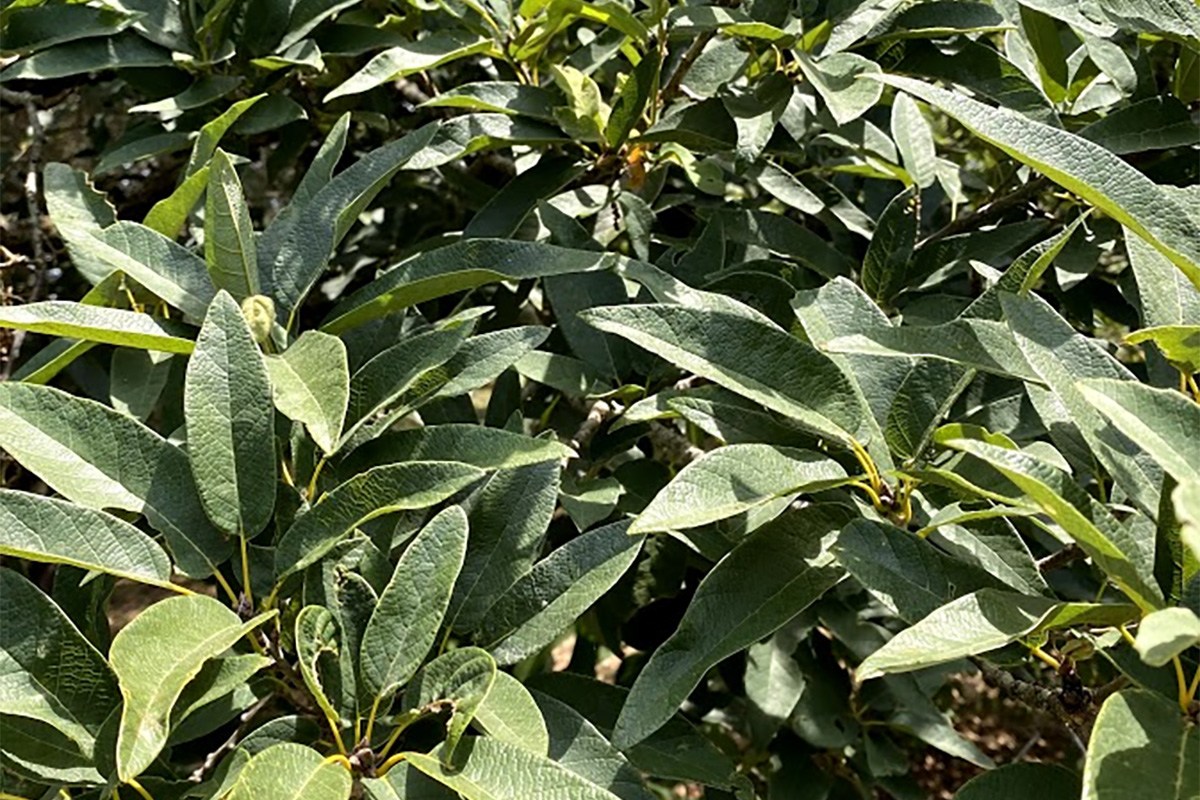
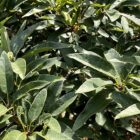
An underutilized tree for both wildlife and for its ornamental qualities, this highly adaptable oak from the mountains of Mexico is a valuable addition to wildlife plots. Reasonably fast growing for an oak, it fruits at an early age and reliably produces a heavy crop of acorns every year. The nuts themselves are rather large – averaging grape size, and being in the white oak group they are sweet and have minimal tannin levels. It holds onto its large, leathery leaves through the winter and will be briefly deciduous for a very short period in early spring – dropping its leaves right when the new foliage begins emerging. With a naturally dense crown it will keep its lower, broad-reaching branches for many years, providing excellent shelter for wildlife through the winter. Though it is from Mexico, it comes from an elevation where it experiences freezing winters yet also excels in hot dry summers. Tolerant of all soil conditions as long as they are well-drained. What a great tree!